Tag: vibe coding

Vibe Coding: Why You Don't Need to Understand Every Line of AI Code
Discover why vibe coding shifts the focus from line-by-line code understanding to intent and outcome, accelerating software development through AI direction.

Roles for Vibe Coding at Scale: AI Champions, Architects, and Verification Engineers
Vibe coding lets developers build apps by describing them to AI-but at scale, chaos follows without structure. Three roles-AI Champions, Architects, and Verification Engineers-keep the process fast, safe, and scalable.

Marketing the Wins: Telling the Vibe Coding Success Story Internally
Discover how non-technical teams are using vibe coding to build real business solutions in weeks-not months-and why sharing these wins internally can transform how your company thinks about innovation.

Open Source Use in Vibe Coding: Licenses to Allow and Avoid
Vibe coding accelerates development but risks legal trouble if AI-generated code includes GPL-licensed snippets. Learn which open-source licenses are safe-and which could force you to open-source your entire product.

Vibe Coding Glossary: Key Terms for AI-Assisted Development in 2026
Discover essential vibe coding terms for AI-assisted development in 2026. Learn about prompt engineering, comprehension gap, and how to safely leverage AI for faster coding without compromising security.

Training Non-Developers to Ship Secure Vibe-Coded Apps
Non-developers are building apps with AI tools like GitHub Copilot - but 68% of these apps have critical security flaws. Learn how to ship secure vibe-coded apps without writing a single line of code.

Automated Architecture Lints: Enforcing Boundaries in Vibe-Coded Apps
Automated architecture lints enforce structural boundaries in vibe-coded apps to prevent architectural debt. They catch violations like frontend-database connections and circular dependencies, reducing rework by 73% and cutting long-term maintenance costs by 35%.

Agentic Systems vs Vibe Coding: How to Pick the Right AI Autonomy for Your Project
Agentic coding lets AI build code on its own; vibe coding helps you build it together. Learn which approach fits your project-prototype, maintenance, or production-and how to avoid the hidden risks of each.

Replit for Vibe Coding: Cloud Dev, Agents, and One-Click Deploys
Replit lets you code, collaborate, and deploy apps in your browser with AI-powered agents and one-click launches. No setup. No installs. Just build.

Ethical Considerations of Vibe Coding: Who’s Responsible for AI-Generated Code?
Vibe coding speeds up development but shifts ethical responsibility to developers who didn't write the code. Learn why AI-generated code is risky, how companies are handling it, and what you must do to avoid legal and security disasters.

Productivity Uplift with Vibe Coding: What 74% of Developers Report
74% of developers say vibe coding boosts productivity, but the reality is more complex. AI tools help experienced coders ship faster - but can slow down juniors and create hidden technical debt. Learn how to use them right.
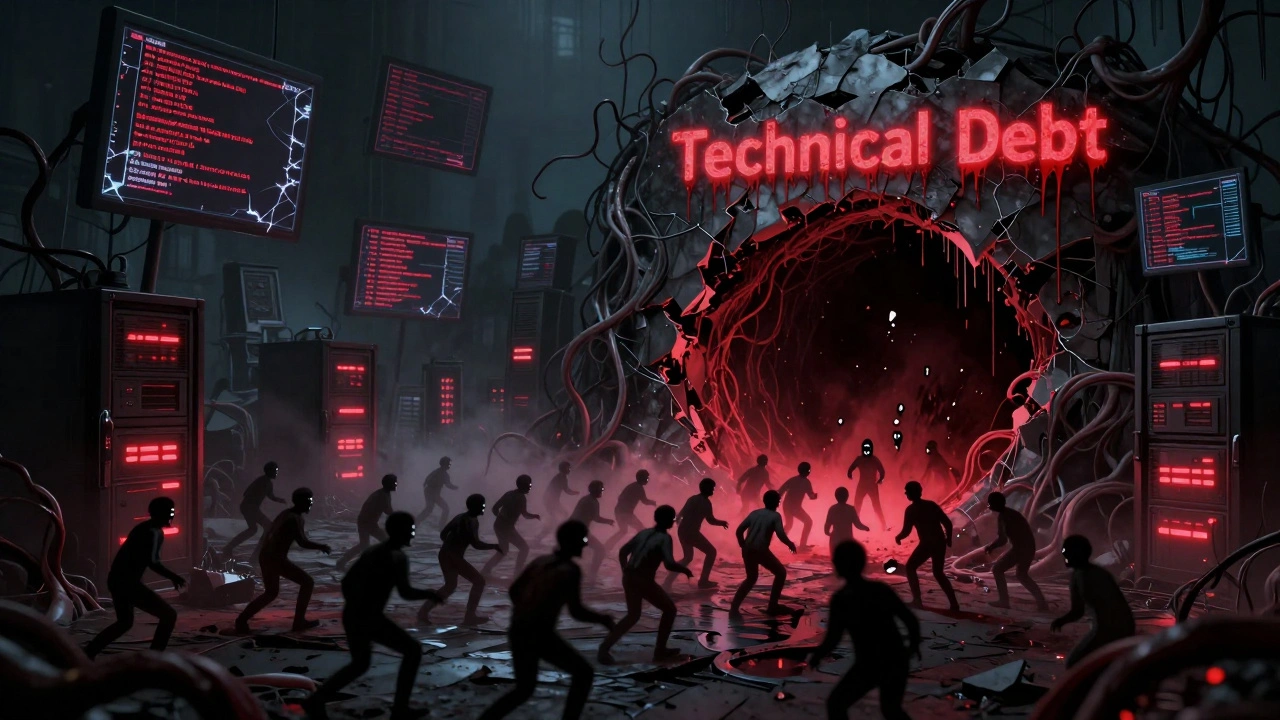
When to Transition from Vibe-Coded MVPs to Production Engineering
Vibe coding gets you to market fast, but it collapses under real user load. Learn the exact triggers-user count, speed drop, security flaws-that mean it’s time to stop coding by feel and start building for scale.